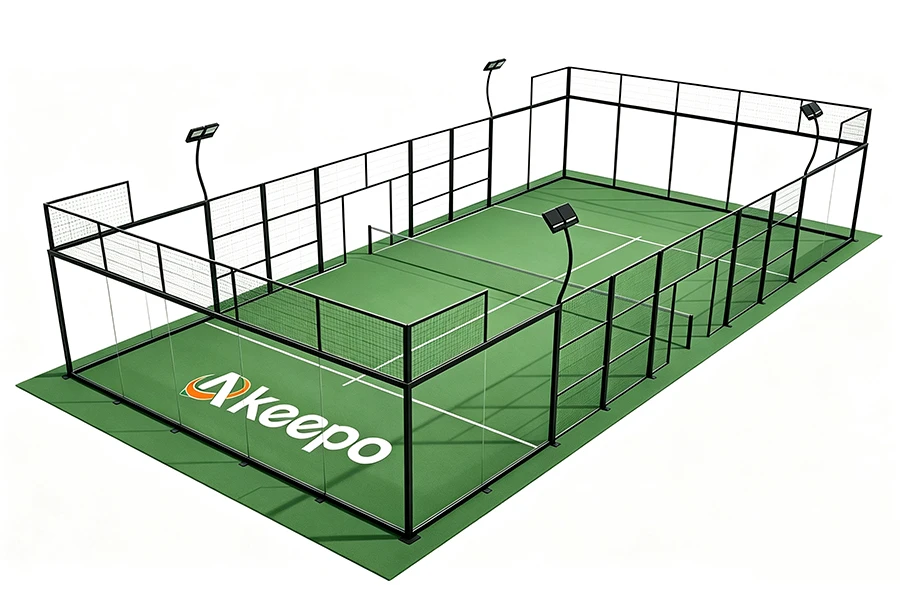
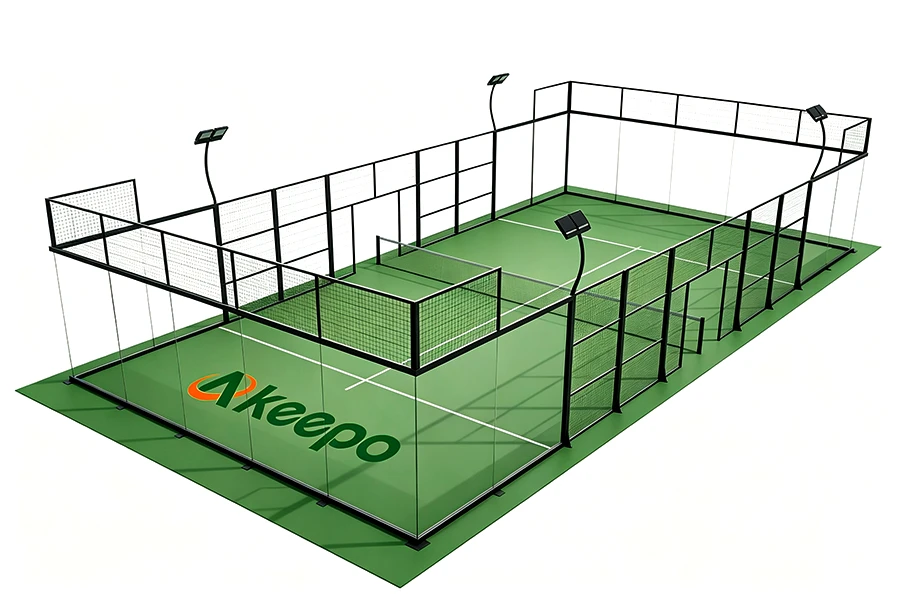
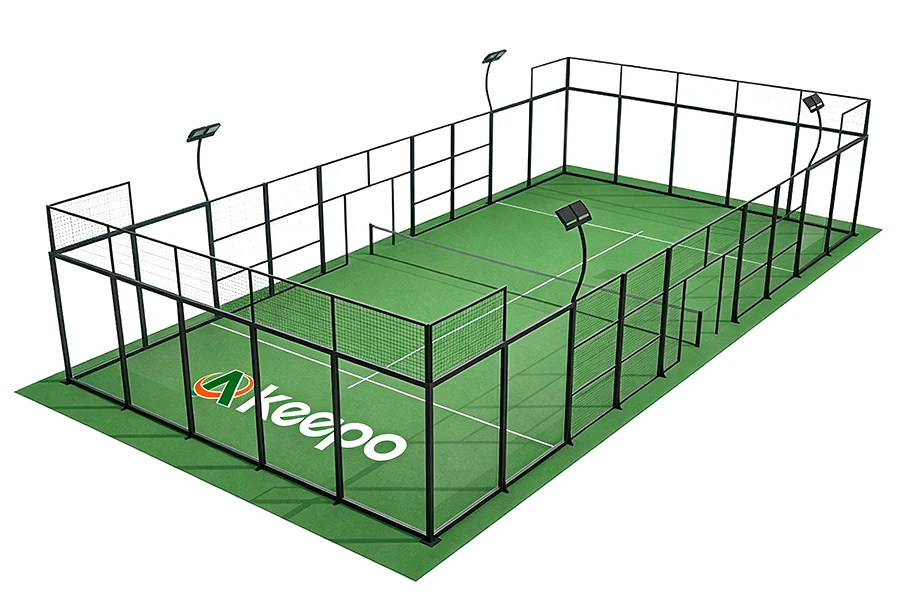
As padel continues to grow worldwide, more investors, sports clubs, hotels, schools, and developers are planning professional Padel court projects. However, a successful court installation requires more than simply choosing a court model. A suitable site, reliable padel infrastructure, professional padel construction, and complete padel facilities are all essential to creating a safe, attractive, and commercially successful venue.
For businesses planning a new padel club or sports project, Akeepo provides padel court solutions and project support. You can learn more about Akeepo and its products at https://www.akeepo-padel.com/.
1. Choosing the Right Site
The first step in any padel project is selecting a suitable location. The site should provide enough space for the courts, player circulation, spectator areas, service facilities, and future expansion.
A standard padel court has a playing area of approximately 20 meters by 10 meters. Nevertheless, the total space required is larger because players and maintenance staff need safe access around the court. When planning a complete facility, the project owner should also consider reception areas, changing rooms, toilets, storage rooms, seating, lighting equipment, and circulation paths.
Important site factors include:
- Sufficient land area for the planned number of courts.
- Convenient access for players, staff, suppliers, and emergency services.
- Good visibility from roads, commercial areas, hotels, or residential communities.
- Adequate drainage and stable ground conditions.
- Availability of electricity, water supply, and communication networks.
- Compliance with local zoning, planning, and construction regulations.
- Potential for future expansion of courts or supporting facilities.
A site with good visibility and convenient transportation can help a new padel club attract members and casual players. Locations near gyms, shopping centers, hotels, schools, and residential communities are often suitable for developing a strong padel life community.
2. Ground Conditions and Foundation
A stable foundation is one of the most important parts of padel construction. Padel courts are exposed to player movement, equipment loads, wind, rain, and repeated impact. If the foundation is uneven or poorly drained, problems may develop in the court structure, glass panels, artificial turf, and lighting system.
Before construction begins, the site should be inspected for:
- Soil stability and bearing capacity.
- Existing slopes and differences in elevation.
- Groundwater and water-retention risks.
- Existing concrete or asphalt conditions.
- Drainage routes and surface-water flow.
- Accessibility for construction machinery and delivery vehicles.
Most padel court projects require a level concrete base or another engineered foundation system. The exact design depends on local soil conditions, climate, court type, and engineering requirements. The surface must be sufficiently flat and strong to support the steel structure, tempered glass, turf system, and other components.
Drainage deserves special attention for outdoor courts. Standing water can damage the playing surface, accelerate corrosion, and reduce the usable life of the court. A professional drainage plan should be included before the foundation is installed.
3. Indoor and Outdoor Site Requirements
Padel courts can be installed indoors or outdoors, and each environment has different requirements.
Outdoor Padel Courts
Outdoor courts need to withstand sunlight, wind, rain, temperature changes, and humidity. Key considerations include:
- Wind load and local weather conditions.
- Corrosion protection for steel components.
- UV resistance of artificial turf and protective coatings.
- Rainwater drainage.
- Lighting performance during evening play.
- Noise management for nearby residents or businesses.
- Protection from extreme weather where necessary.
The court orientation should also be considered. In many outdoor sports facilities, the goal is to reduce direct sunlight in players’ eyes during common playing hours. The best orientation depends on the project’s location, time of operation, and local climate.
Indoor Padel Courts
Indoor installations can offer more consistent playing conditions throughout the year. However, the building must provide enough clear height and internal space.
Before installing an indoor court, check:
- Clear ceiling height without obstructions.
- Structural capacity of the building.
- Ventilation and air-conditioning systems.
- Fire-safety requirements and evacuation routes.
- Indoor lighting position and brightness.
- Floor loading capacity.
- Space for maintenance and court assembly.
Columns, beams, sprinklers, ventilation ducts, and lighting fixtures should not interfere with the court or create safety risks. A detailed site survey is recommended before manufacturing or shipping the court components.
4. Safety Space Around the Court
A padel court should not be treated as an isolated box. Players need adequate space to enter, exit, move around the court, and potentially retrieve balls. Staff also need access for cleaning, repairs, and inspection.
The surrounding layout should provide:
- Safe player entrances and exits.
- Sufficient space between neighboring courts.
- Non-slip circulation surfaces.
- Clear emergency access.
- Safe separation between spectators and players.
- Protection from sharp edges or exposed structural components.
- Accessible routes for people with reduced mobility.
Some court designs allow players to exit through doors and perform shots outside the court. If this type of play is intended, the external area must be carefully planned to prevent collisions with walls, furniture, spectators, or other courts.
5. Court Structure and Materials
The quality of the court structure directly affects safety, appearance, maintenance, and long-term operating costs. A complete court normally includes a steel frame, tempered glass panels, mesh panels, artificial turf, posts, doors, lighting, and anchoring systems.
When evaluating a padel court supplier, consider:
- Steel grade and structural design.
- Surface treatment and corrosion resistance.
- Tempered glass thickness and safety performance.
- Quality of welded and bolted connections.
- Artificial turf density, resilience, and drainage.
- Net-post and door design.
- Lighting support and cable-management systems.
- Replacement parts and after-sales service.
- Installation instructions and technical documentation.
Akeepo focuses on padel court solutions for different project types, including commercial venues, sports clubs, and private facilities. Project owners can contact the company through its website to discuss court configuration, customization, delivery, and installation requirements: Akeepo Padel Court Solutions.
6. Lighting Requirements
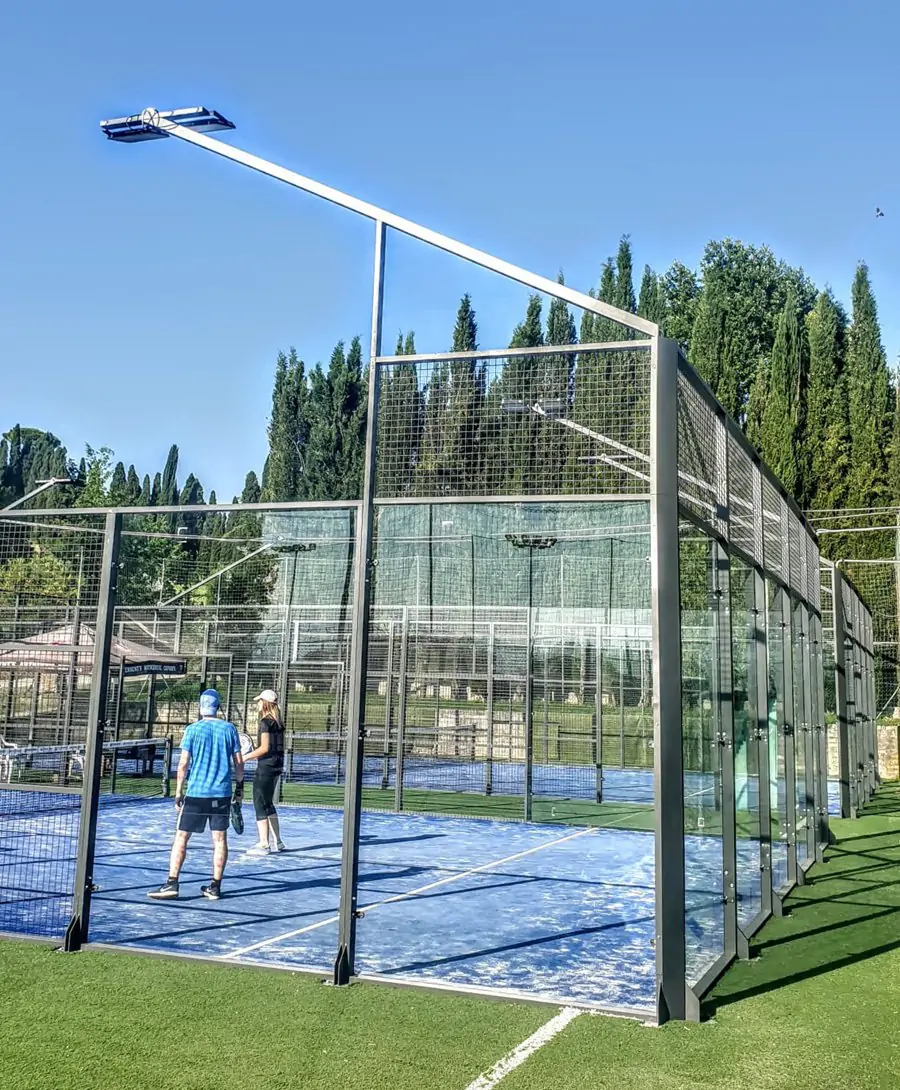
Lighting is essential for both indoor and outdoor padel facilities. Good lighting allows players to track the ball clearly and helps create a comfortable experience during evening matches.
A suitable lighting plan should address:
- Even illumination across the entire playing area.
- Minimal glare for players.
- Limited shadows and dark zones.
- Appropriate color rendering.
- Protection from direct light reflection on glass panels.
- Energy efficiency and ease of maintenance.
- Safe cable routing and electrical protection.
Lighting poles or fixtures should be positioned so that they do not obstruct the players’ view. Outdoor electrical systems should be designed to withstand moisture and weather exposure. Indoor facilities should coordinate lighting with ceiling height, ventilation, fire-protection equipment, and structural elements.
7. Climate and Environmental Considerations
The local climate influences the design and maintenance of a padel facility. A court located in a hot, humid, coastal, cold, or windy region may require different materials and protective measures.
For example:
- Coastal locations may require enhanced anti-corrosion treatment.
- Hot climates may require UV-resistant materials and player shade.
- Rainy regions need efficient drainage and water management.
- Cold regions may require protection against frost and temperature-related movement.
- Windy locations require careful structural and anchoring calculations.
- Urban sites may need additional noise-control measures.
Environmental planning can also improve operating efficiency. LED lighting, rainwater management, durable materials, and low-maintenance surfaces can reduce long-term costs while supporting a more sustainable padel infrastructure.
8. Supporting Padel Facilities
A high-quality court is only one part of a successful venue. Players usually expect a complete and convenient experience, especially when visiting a commercial padel club.
Recommended supporting facilities include:
- Reception and check-in area.
- Waiting lounge and spectator seating.
- Changing rooms and showers.
- Toilets and accessible washrooms.
- Equipment rental and retail area.
- Ball and racket storage.
- Café, snack bar, or social space.
- Coaching and training area.
- First-aid equipment.
- Parking and bicycle storage.
- Security and access-control systems.
These facilities help transform a group of courts into a complete sports destination. They also create additional business opportunities through coaching, memberships, tournaments, retail, food and beverage services, and corporate events.
9. Planning for a Padel Club
A successful padel club should be planned around both sports performance and customer experience. The number of courts, opening hours, target customers, and revenue model should be considered at the beginning of the project.
Before finalizing the site plan, define:
- The expected number of daily players.
- The target market, such as families, beginners, professionals, or tourists.
- The number of indoor and outdoor courts.
- Peak playing hours.
- Coaching and tournament requirements.
- Membership and booking systems.
- Staff and maintenance needs.
- Expansion possibilities.
- Branding and signage opportunities.
A venue designed only for court installation may have limited commercial potential. A venue designed around community, social interaction, training, and events can support a stronger long-term padel life culture.
10. Professional Padel Construction
Professional padel construction requires coordination between the court supplier, civil contractor, electrical contractor, architect, and project owner. Clear communication is especially important when the court components are manufactured in one country and installed in another.
The construction process commonly includes:
- Site survey and technical confirmation.
- Layout design and court positioning.
- Foundation and drainage preparation.
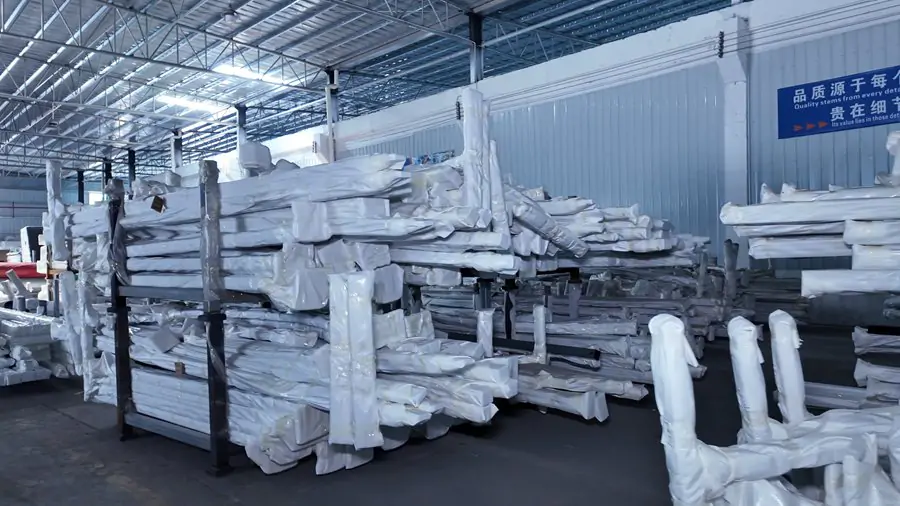
- Delivery and inspection of court components.
- Steel-frame assembly.
- Glass and mesh-panel installation.
- Artificial turf installation.
- Net, doors, and lighting installation.
- Electrical and safety inspection.
- Final testing and handover.
The project team should confirm installation responsibilities before signing the order. Important questions include whether the supplier provides installation drawings, foundation drawings, technical support, spare parts, remote guidance, or an on-site installation team.
11. Working with Akeepo
Choosing a reliable supplier can simplify the development of a padel project. Akeepo can be considered by investors, contractors, distributors, and sports-facility developers looking for padel court products and project cooperation.
When contacting Akeepo, prepare the following information:
- Project location and country.
- Indoor or outdoor installation.
- Number of courts.
- Site dimensions and drawings.
- Expected completion date.
- Preferred court style or customization.
- Local climate and wind conditions.
- Installation requirements.
- Shipping destination and delivery terms.
- Need for branding, spare parts, or technical support.
More information about Akeepo’s padel court products and services is available at https://www.akeepo-padel.com/.
Back to News Start Your ProjectRecommended Products