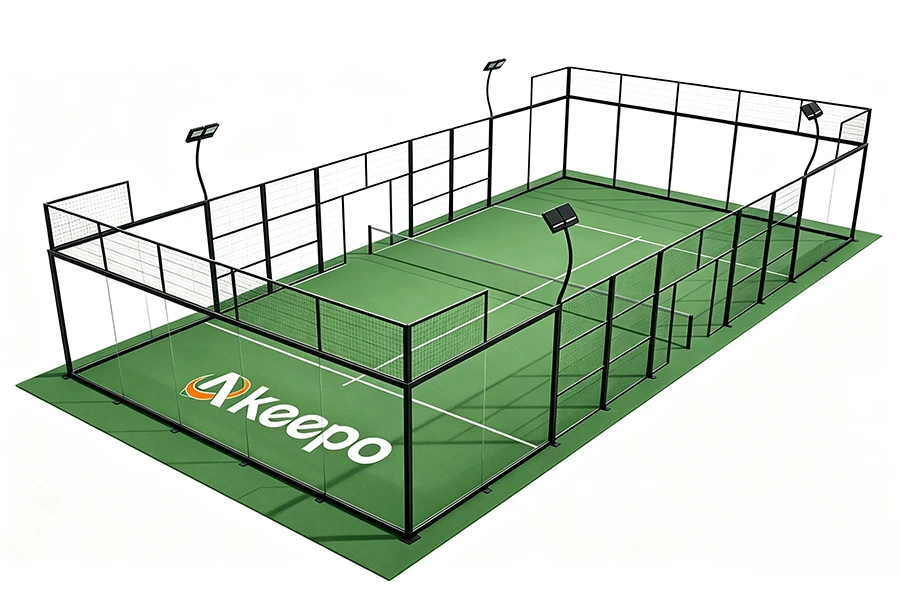
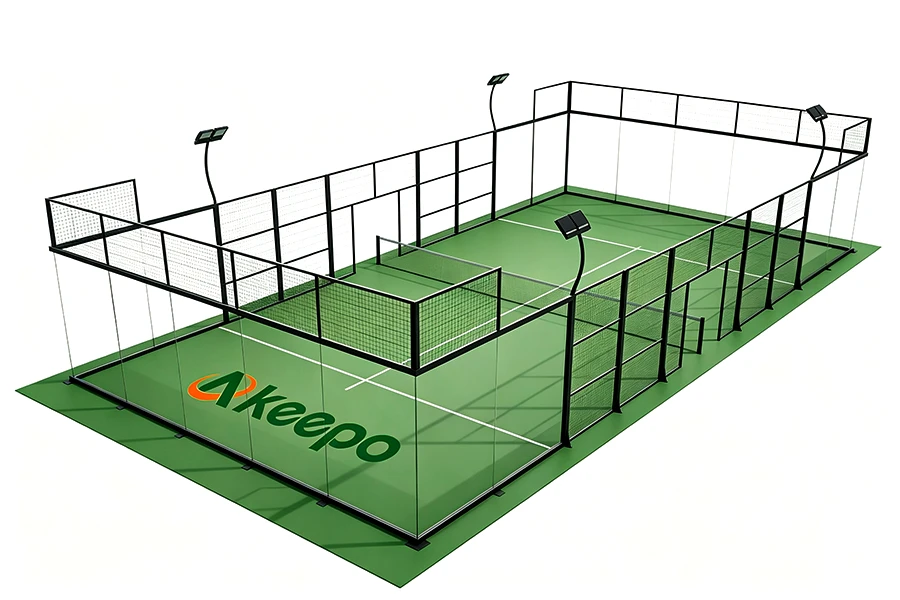
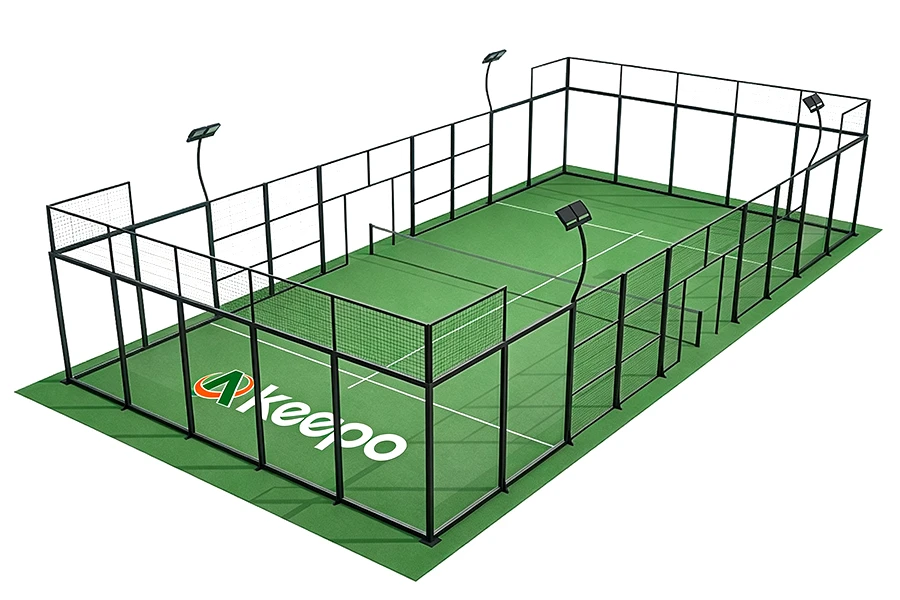
The global sports market is changing rapidly. In addition to traditional sports such as tennis, basketball, and football, a new sport combining elements of tennis, squash, and social entertainment is gaining worldwide attention: padel sport.
Padel has become increasingly popular in Europe and is now expanding across Asia, the Middle East, North America, and Latin America. More investors, sports operators, hotels, and commercial property developers are building professional facilities, while the number of padel club venues continues to grow. This raises an important question: Will padel become the next global mainstream sport after tennis and pickleball?
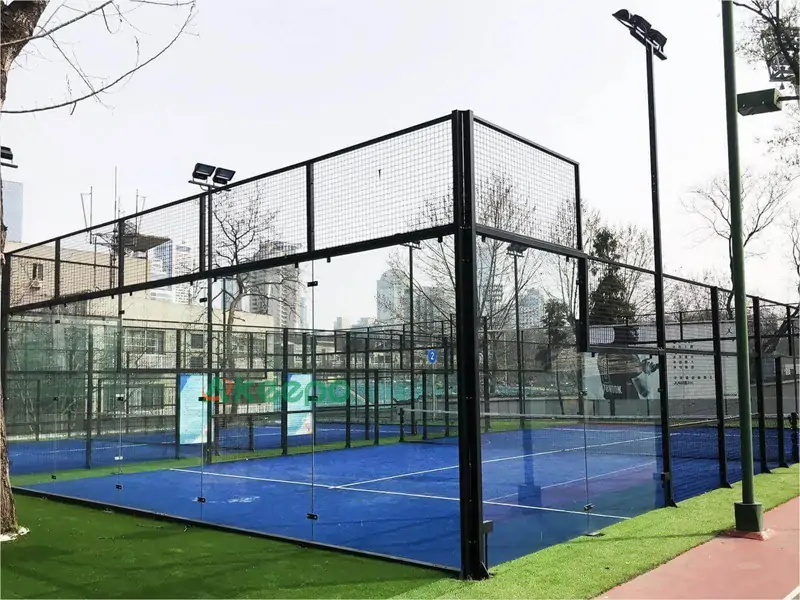
Why Is Padel Becoming So Popular?
Padel tennis is usually played in doubles on an enclosed court surrounded by glass walls and metal fencing. Players can use the walls to keep the ball in play, creating longer rallies and a more dynamic game.
Compared with traditional tennis, padel is played on a smaller court and generally requires less physical power and technical experience. Beginners can often enjoy longer rallies after only a short introduction, making the sport accessible to people with different levels of athletic ability.
The main reasons for padel’s growing popularity include:
- A relatively low barrier to entry.
- Strong social appeal through doubles play.
- Fast-paced and enjoyable matches.
- Efficient use of space.
- Suitability for social gatherings, corporate events, and community activities.
- Easy court booking and player matching through digital platforms.
For many participants, padel is more than a form of exercise. It is also a way to meet friends, connect with colleagues, and build local communities. This has created a new lifestyle known as padel life.
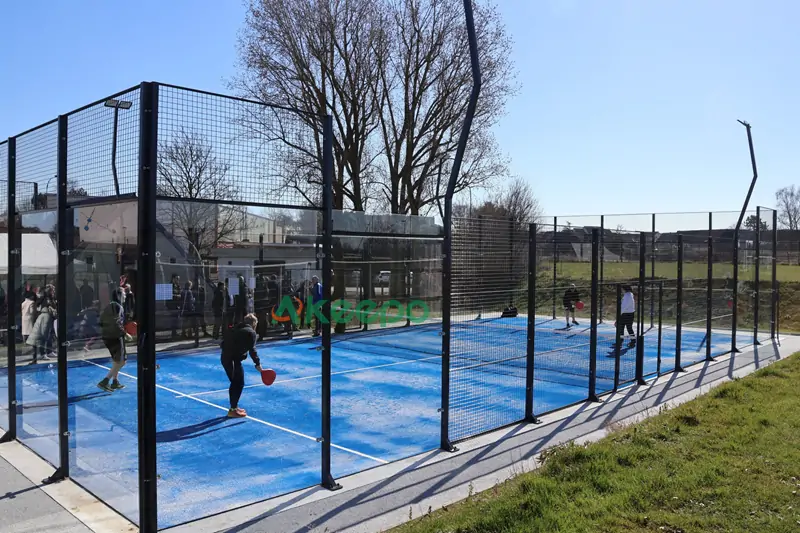
A Fast-Expanding Global Market
Padel first developed a strong sporting culture in Spain and other European markets. It has since expanded into an increasing number of countries and regions. Spain, Italy, France, the United Kingdom, Sweden, and the Netherlands remain important markets, while the Middle East, Asia, and North America are becoming new areas of investment.
The growth of padel is reflected not only in the number of players but also in the development of sports facilities. Many operators are transforming traditional tennis centers into multifunctional sports venues that include:
- Padel court facilities.
- Tennis courts.
- Pickleball courts.
- Fitness areas.
- Restaurants and lounges.
- Sports retail areas.
- Training and tournament spaces.
This integrated model can increase customer engagement and generate revenue from court bookings, memberships, coaching, tournaments, food and beverage services, and retail sales.
Why Padel Courts Are Attracting Investors
As the number of padel players grows, the quality and operational efficiency of each padel court are becoming increasingly important. A professional court must offer more than an attractive appearance. It must also provide structural safety, reliable playing performance, durability, and manageable maintenance costs.
A complete padel court generally includes:
- A steel structure.
- Tempered glass walls.
- Metal fencing and access gates.
- Artificial turf or a professional sports surface.
- A net system and related components.
- LED lighting.
- Foundations, drainage, and installation systems.
For investors, choosing a supplier should not be based solely on price. Material quality, manufacturing capacity, installation experience, quality control, and after-sales service are equally important.
For overseas projects in particular, suppliers should be able to provide structural drawings, installation instructions, spare parts, and remote technical support. These capabilities can have a direct impact on project delivery and long-term operating costs.
Akeepo specializes in padel courts and related facilities, offering professional solutions for clubs, sports venues, hotels, and commercial projects. To learn more about its products and project services, visit the Akeepo official website.
Will Padel Overtake Tennis or Pickleball?
Padel becoming a global mainstream sport does not necessarily mean that it will replace tennis or pickleball. A more realistic possibility is that all three sports will continue to coexist, serving different consumer needs and usage scenarios.
| Sport | Main strengths | Typical applications |
|---|---|---|
| Tennis | Mature competitive system and long-established global appeal | Professional training, schools, clubs, and major tournaments |
| Pickleball | Easy to learn, flexible, and suitable for recreational players | Communities, public sports facilities, and social recreation |
| Padel | Strong social appeal, fast-paced play, and high visual impact | Commercial clubs, social matches, hotels, and corporate events |
Tennis has a well-established professional circuit, coaching system, and global player base, so it is unlikely to be replaced in the short term. Pickleball has developed a strong community presence, particularly in North America, and can often be adapted to existing spaces.
Padel’s key advantage is the way it combines sport, entertainment, and social interaction. It is therefore more likely to become an important part of the global sports ecosystem rather than simply replace other racket sports.
Padel Clubs as New Social Spaces
In the future, a padel club may become much more than a venue with several courts and a reception desk. It may develop into a complete social and lifestyle space.
A successful club can offer:
- Beginner introduction sessions.
- Private coaching and group training.
- Skill-level-based social matches.
- Corporate team-building events.
- Junior development programs.
- Amateur leagues and open tournaments.
- Member lounges.
- Cafés, restaurants, and retail services.
- Smart booking and performance-tracking systems.
The core of this business model is not simply renting out courts. It is about building long-term relationships with members and creating a strong community. Players should have opportunities to meet new people, participate in events, and enjoy a social experience beyond the match itself.
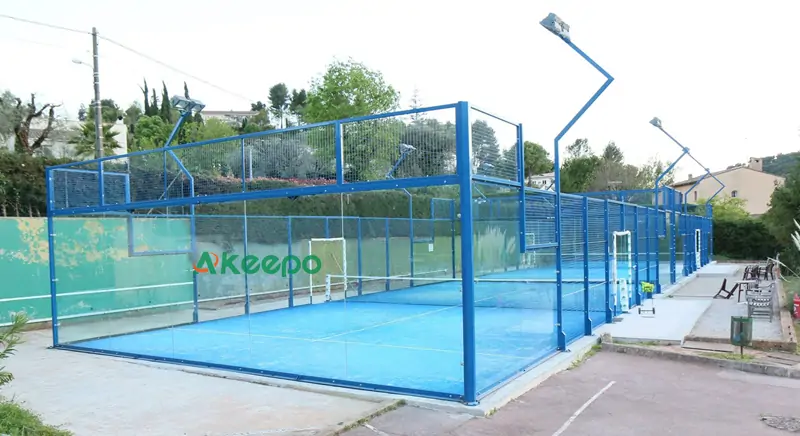
Technology and Design Will Shape Future Competition
As the padel market matures, padel court design and construction will continue to evolve. Key areas of innovation may include:
- Stronger and safer steel structures.
- Clearer, low-glare LED lighting.
- More durable anti-corrosion systems.
- Modular and relocatable court designs.
- Customized solutions for rooftops, parking areas, and compact commercial spaces.
- Smart cameras, automatic match replay, and performance analysis.
- More sustainable artificial turf, glass, and packaging materials.
- Faster installation and standardized after-sales support.
For brands such as Akeepo, future competition will be determined not only by the ability to manufacture padel courts, but also by the ability to provide complete solutions for different markets and project types.
From design and material supply to installation guidance and after-sales service, every stage can influence the user experience and investment return.
Back to News Start Your Project
Recommended Products