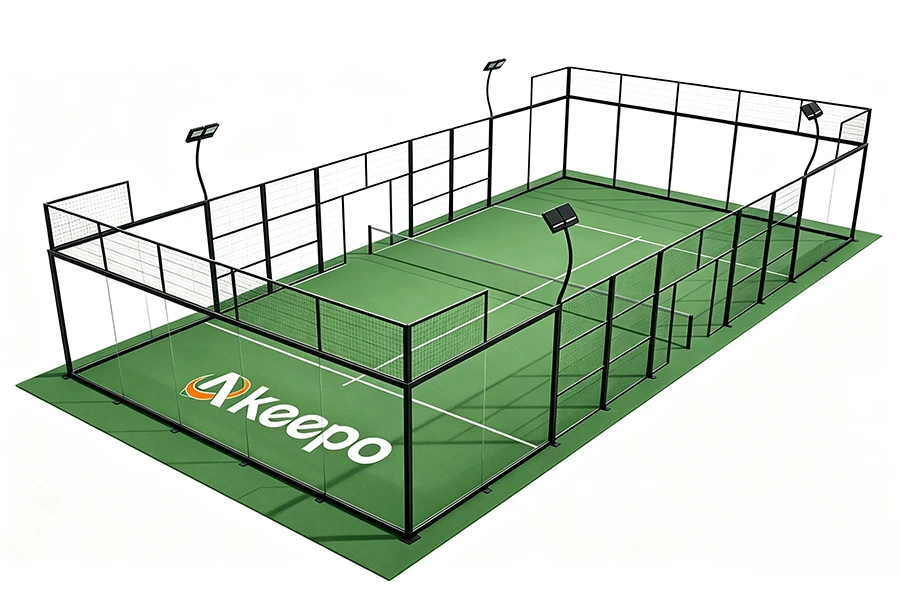
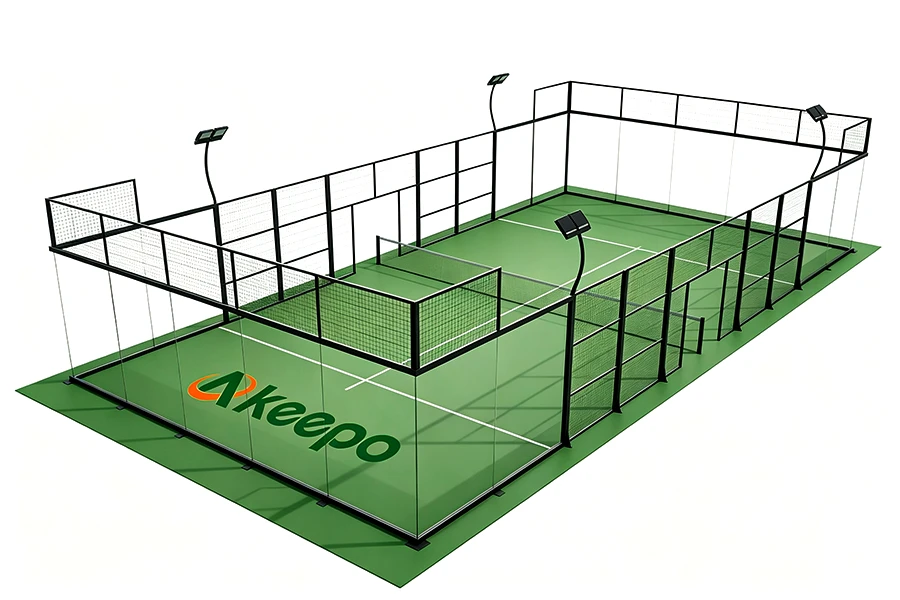
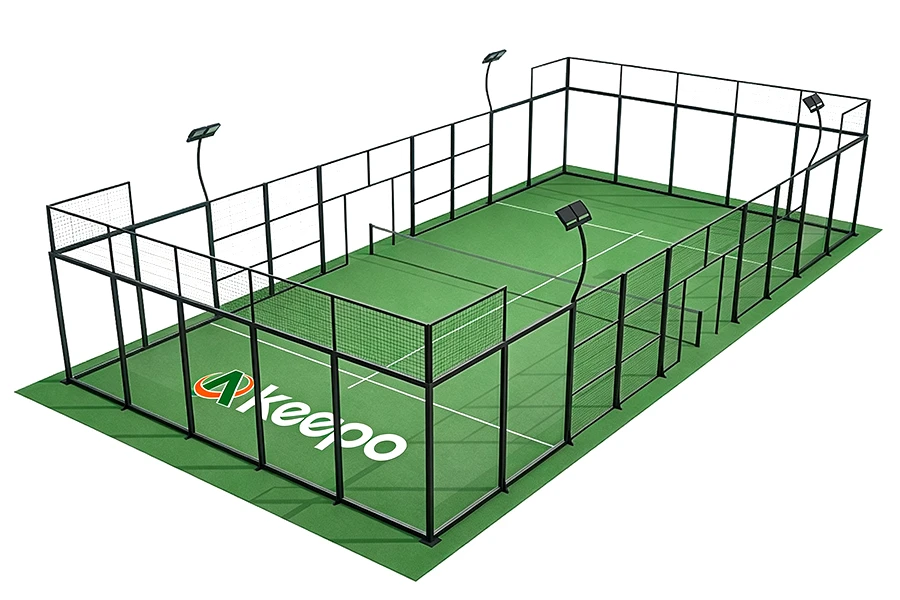
Padel Court Cost in 2026: A Full Breakdown, From Steel to First Serve
It is the single most-asked question in the industry — and the one most often answered badly. “How much is a padel court?” has no one-line answer, because a real budget is not one number, it is a stack of them. Today we take that stack apart.
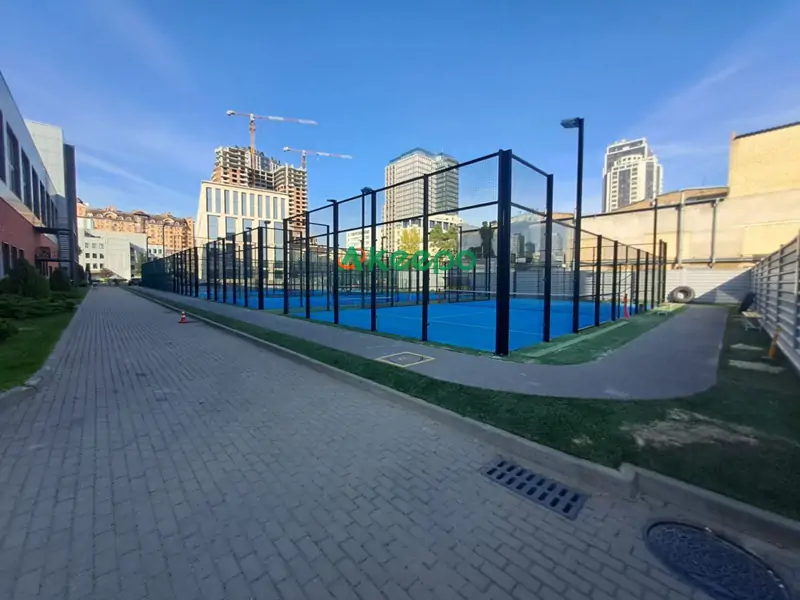
The Headline Number: $25,000–$45,000, Delivered and Installed
For a complete, FIP-compliant doubles court — structure, glass, turf, lighting, sea freight and professional installation included — the realistic 2026 range is US$25,000 to US$45,000 per court, depending on model, destination port and site conditions. Strip the project back to an ex-works equipment package (steel + glass + turf + accessories, before freight and civil works) and the typical band is US$18,000–$28,000. Anything dramatically below that band should raise questions about steel thickness and glass quality rather than celebrations — more on that tomorrow.
Line by Line: Where the Money Goes
|
Cost Component |
Share of Equipment Budget |
What Drives the Price |
|
Steel structure (posts, frames, mesh) |
25–30% |
Tube wall thickness, galvanizing vs. powder coating, welding quality |
|
Tempered glass (10–12 mm) |
20–25% |
Glass area (panoramic models use more), edge polishing, homogenization |
|
Artificial turf + silica sand infill |
10–15% |
Monofilament vs. fibrillated yarn, turf density, UV warranty |
|
LED lighting system |
5–8% |
Lux level required (200 lux standard, 300+ lux for broadcast) |
|
Export packing + sea freight |
8–12% |
Destination port, container count (a full court usually fills 1 × 40' HC) |
|
On-site installation crew |
8–10% |
Local labour rates, site access, number of courts per crew visit |
|
Civil works / foundation |
Variable, often US$5,000–15,000 |
Local concrete and labour prices, soil condition, drainage |
Two structural truths emerge from this table. First, steel and glass are roughly half of everything — which is exactly why the quality of those two components dominates both price and lifespan. Second, the lines with the widest variance are the local ones: freight, civil works and installation are priced where you build, not where the court is manufactured.
The Costs That Hide After the Quotation
Experienced operators budget for the items that rarely appear in a manufacturer's offer:
· Import duties and VAT — typically add 5–25% on top of the CIF value, wildly different by country.
· Inland transport from port to site, including any crane hire for glass panels.
· Electrical works — bringing 3-phase power to the court position is an electrician's job, not an installer's.
· Permits and engineering sign-off, increasingly required in Europe as padel moves from trend to regulated construction.
A useful planning rule: whatever the equipment quotation says, add 15–20% as a project contingency before you sign anything.
Why Akeepo Quotes Item by Item
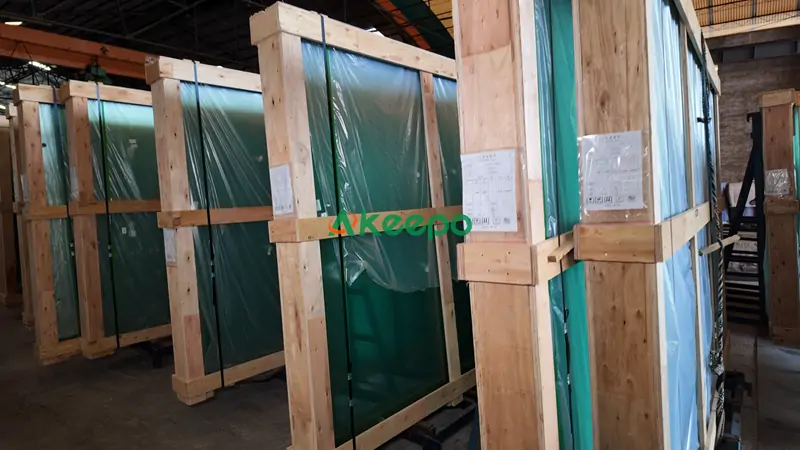
This is where quotation style becomes a quality signal in itself. Akeepo prices every project as a transparent bill of materials — steel, glass, turf, lighting and packing listed line by line with specifications attached — so buyers can compare like with like instead of comparing a bundle against a mystery. Before any container leaves the factory, clients receive photo and video records of the packed court, so the goods that arrive are the goods that were quoted.
One number worth remembering from today: about half of a court's equipment budget is steel and glass. Hold that thought, because tomorrow we explain exactly how to inspect them.
Back to News Start Your ProjectRecommended Products