Both padel and pickleball are among the fastest‑growing racket sports in the world. They share similar appeal—easy to learn, social, and suitable for all ages—but they differ in court size, playing style, infrastructure needs, and business model. If you’re evaluating a new sports facility, upgrading school sports offerings, or exploring a padel investment, understanding “padel versus pickleball” is the first step.
1. Court Size and Space Requirements
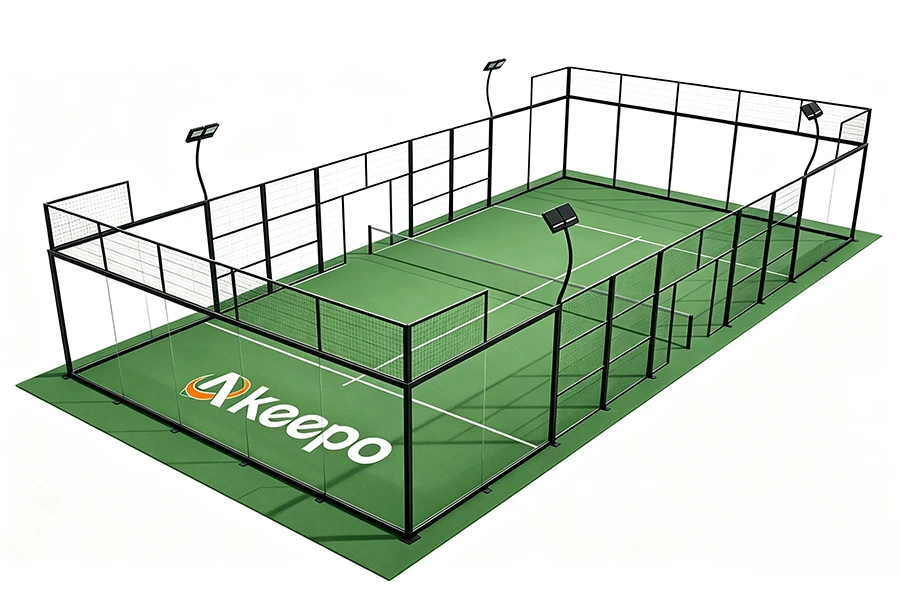
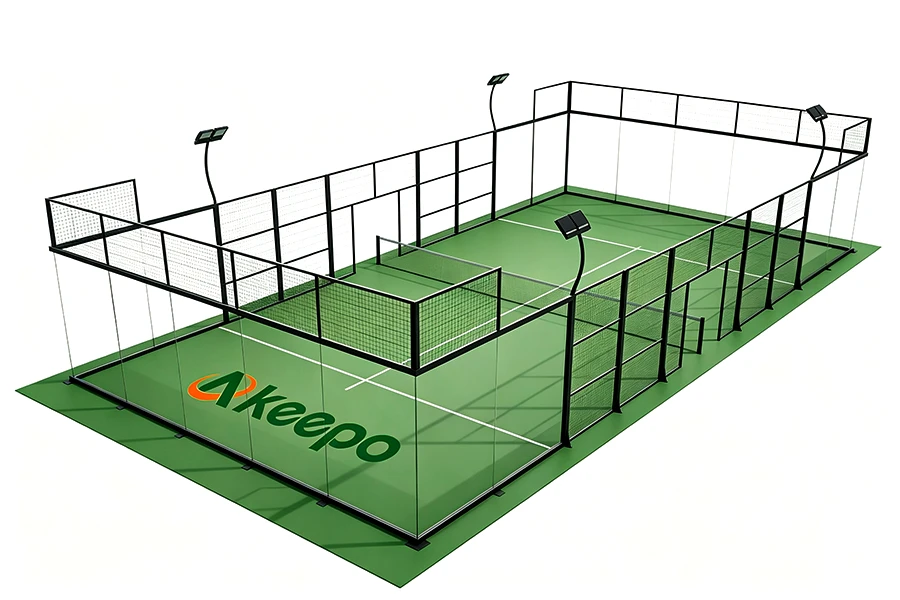
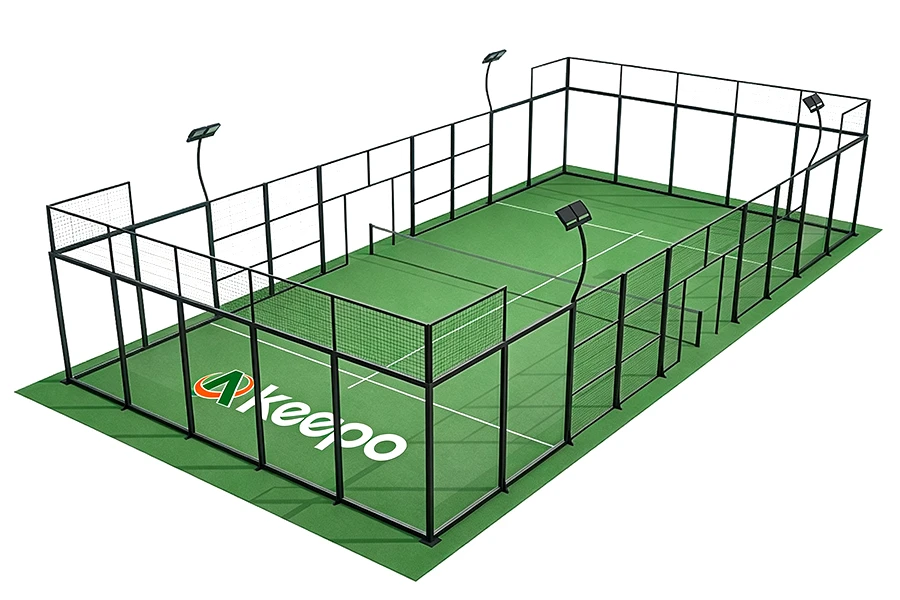
Padel is played on a 20 m × 10 m enclosed court with glass or mesh walls. The enclosure is part of the game: players use the walls strategically, which creates longer rallies and a more dynamic, three‑dimensional style.
Pickleball uses a much smaller 13.41 m × 6.10 m (44 ft × 20 ft) court, similar in layout to a badminton doubles court, with no walls. Multiple pickleball courts can often fit into the footprint of a single padel court.
Implication for operators:
- If space is tight and you want maximum court count, pickleball is more space‑efficient.
- If you have a larger site and want a premium, high‑experience product, a padel court—especially a classic padel court, panoramic padel court, or full panoramic padel court—creates a stronger visual and commercial statement.
For investors comparing padel sports and pickleball, the key is not just “how many courts,” but “what experience and price point” each court supports.
2. Playing Experience: Walls, Strategy, and “Padel Life”
The most visible difference is the enclosure.
- Padel: Walls are in play. Shots can rebound off glass or mesh, adding tactical depth and longer rallies. The game feels more like a blend of tennis and squash, with emphasis on positioning, angles, and teamwork.
- Pickleball: No walls. The game is faster at the net, with a strong focus on dinking, volleys, and quick reflexes. It’s highly accessible and very social, especially in community and senior segments.
For many players, padel life is about the combination of sport, socializing, and atmosphere: evening leagues, music, lighting, glass‑walled show courts, and a club‑like environment. Pickleball also builds strong communities, but padel’s enclosed, arena‑like courts often create a more “spectator‑friendly” feel.
3. Infrastructure and Construction: What Each Sport Needs
Padel infrastructure
A standard padel court includes:
- Steel structure with tempered glass or mesh panels
- Artificial turf with sand infill
- LED lighting system
- Enclosure doors and safety features
- Optional: spectator areas, branding panels, side walkways
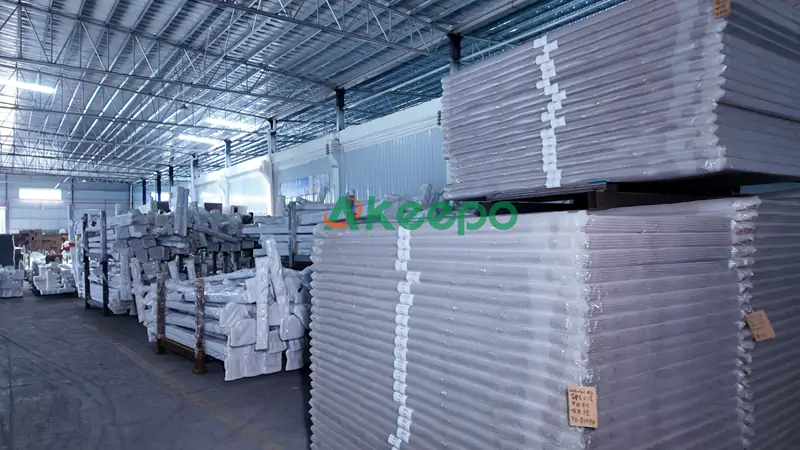
Providers like AKEEPO (https://www.akeepo-padel.com/) offer turnkey solutions including classic padel court, panoramic padel court, and full panoramic padel court options, designed for clubs, resorts, and school sports facilities that want a long‑term, low‑maintenance asset.
Pickleball infrastructure
A pickleball court typically requires:
- Hard surface (acrylic on asphalt/concrete, modular tiles, or specialized sports flooring)
- Net posts and adjustable net
- Line markings (often multiple sports on one surface)
- Basic lighting for evening play
Pickleball can be overlaid on existing multi‑use courts more easily, which makes it attractive for municipalities and schools with limited budgets.
For a new sports facility:
- If you already have hard courts, adding pickleball lines is low‑cost and fast.
- If you’re building from scratch and want a differentiated, premium product, investing in one or more padel courts can create a unique selling point and higher hourly rates.
4. Target Users and Revenue Model
Padel
- Strong appeal to teens, young adults, and active professionals
- Often positioned as a premium sport: higher hourly rates, leagues, tournaments, coaching programs
- Works well in private clubs, resorts, mixed‑use developments, and urban sports facility projects
A well‑located padel court can command significantly higher rental fees than a standard tennis or pickleball court, especially when paired with FIP‑style tournaments, night leagues, and F&B. This makes padel investment attractive for developers seeking both footfall and yield.
Pickleball
- Very strong in community centers, 55+ communities, and school programs
- Lower barrier to entry: simple rules, smaller court, less running
- Often offered at lower prices or as part of membership packages
Pickleball excels at volume: many players, frequent sessions, and broad demographic reach. Revenue often comes from high utilization rather than high per‑court pricing.
Strategic view:
- If your goal is high utilization across many age groups with modest capex, pickleball is compelling.
- If your goal is a premium, experience‑driven offer with higher ARPU (average revenue per user), padel sports and a padel court‑led model can be more powerful.
5. School Sports and Multi‑Sport Facilities
For school sports, both sports have merit:
-
Pickleball:
- Easy to integrate into existing gyms or outdoor hard courts
- Low cost, simple equipment, safe for younger students
- Great for PE programs and intramural leagues
-
Padel:
- More “aspirational” for students and parents; feels like a pro sport
- Can be a differentiator for private schools and international campuses
- Works well as part of a broader sports facility that also serves the local community after school hours
A common model is a hybrid: one or two padel courts as a flagship offering, plus multiple pickleball or multi‑use courts for daily PE and community use. In such setups, a classic padel court or panoramic padel court from a factory like AKEEPO (https://www.akeepo-padel.com/) becomes the visual and commercial centerpiece of the campus.
6. Investment Perspective: Padel versus Pickleball
When evaluating padel investment versus pickleball:
-
Capex per court:
- Padel: higher upfront cost (structure, glass, turf, lighting)
- Pickleball: lower upfront cost (surface, lines, nets)
-
Revenue per court:
- Padel: typically higher hourly rates, stronger potential for events and sponsorship
- Pickleball: lower rates but potentially higher utilization and broader user base
-
Differentiation:
- In many markets, padel is still relatively new and can be a unique selling point.
- Pickleball is rapidly saturating some regions; standing out may require strong programming rather than just courts.
For developers and operators, the optimal mix often depends on local demand, land cost, and brand positioning. In high‑growth urban areas, a full panoramic padel court can act as a landmark, while pickleball serves daily community traffic.
7. Choosing the Right Padel Court Type
If you decide padel fits your strategy, the next question is which type of padel court:
-
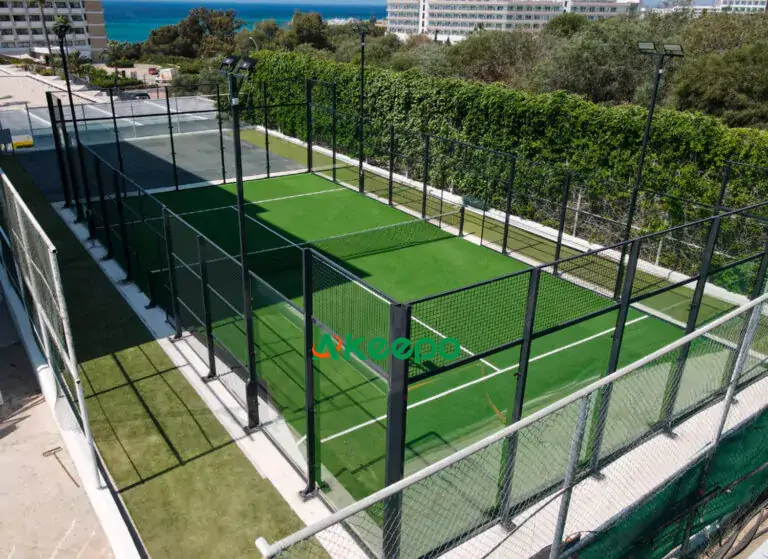
- Mesh or partial glass, cost‑effective, widely used for clubs and schools
- Ideal when budget and durability are top priorities
-
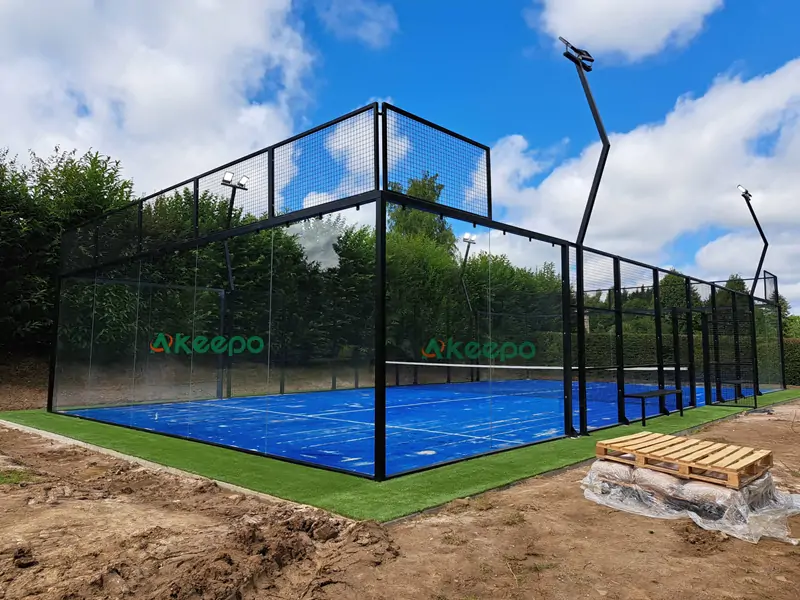
- Large glass panels on the sides, better visibility for spectators and cameras
- Strong visual impact for commercial clubs and premium sports facility projects
-
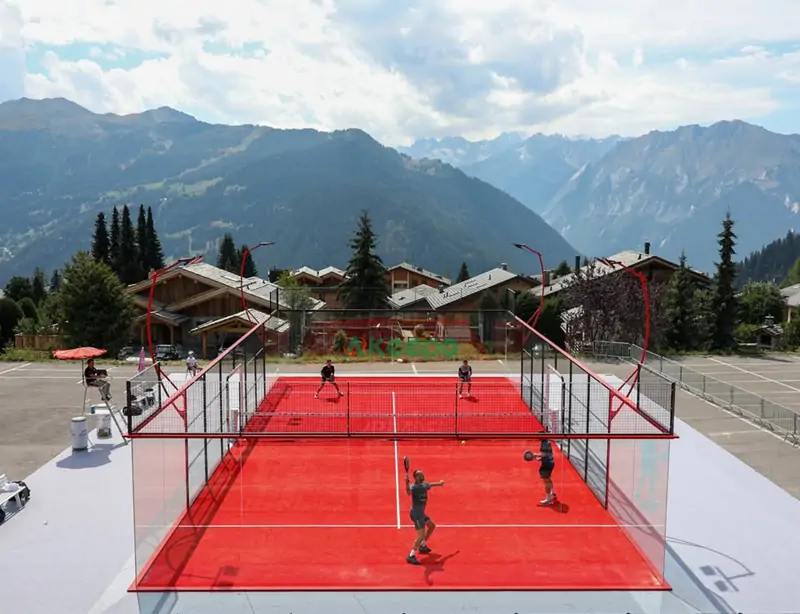
- Glass on all sides, maximum transparency and “arena” feel
- Best for flagship locations, tournaments, and high‑end developments
Manufacturers like AKEEPO (https://www.akeepo-padel.com/) can tailor the enclosure, lighting, and turf to your climate, usage pattern, and budget, helping you align the padel court choice with your overall padel investment thesis.
Back to News Start Your Project
Recommended Products