As padel continues to grow worldwide, more sports clubs, property developers, hotels, resorts, schools, and investors are considering a padel court project. For anyone entering this market, the main question is often not whether to build a court, but how much a complete project will cost—and which specifications are worth investing in.
A professional Padel Court Cost Calculator helps project owners break down the full budget behind padel construction, making every major expense easier to understand, compare, and manage.
More Than a Quotation Tool
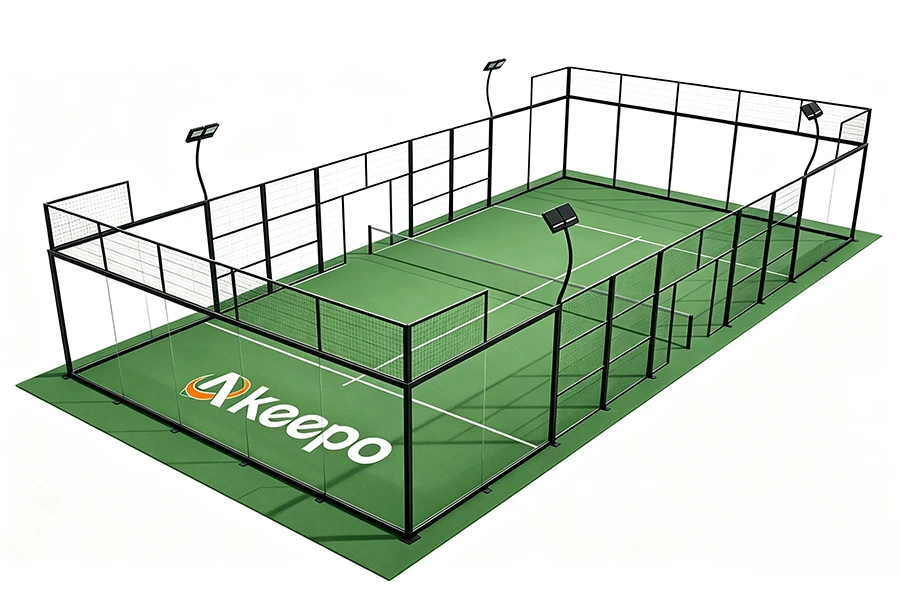
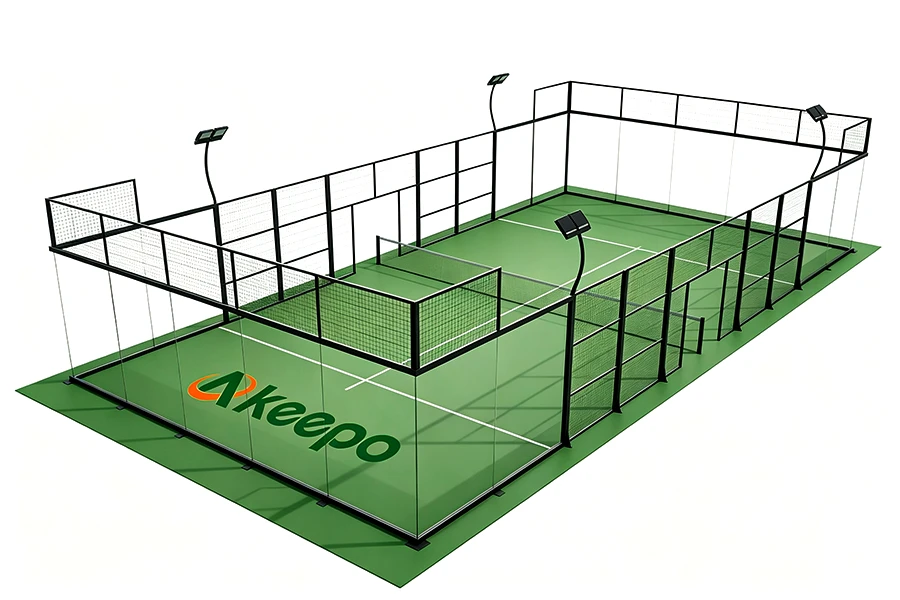
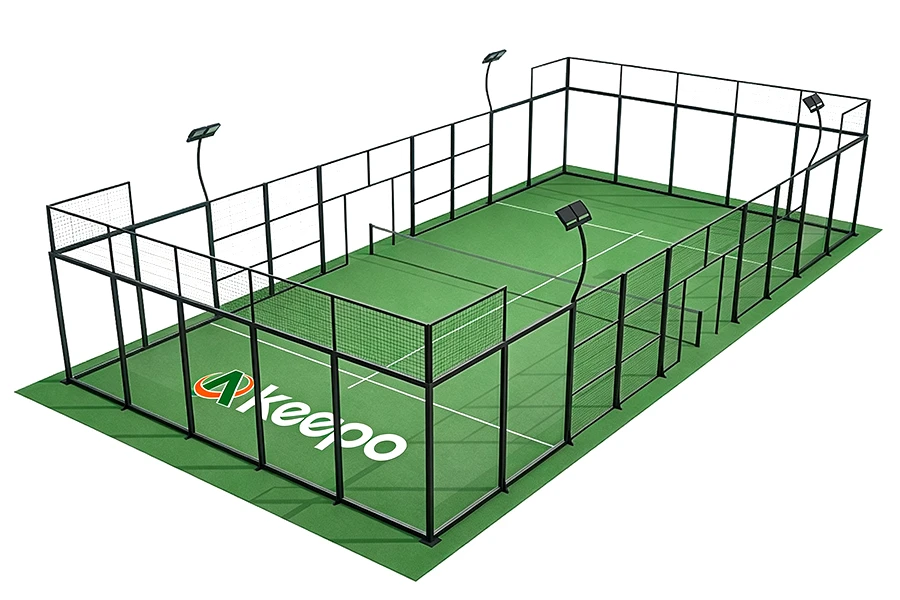
A padel court is not simply a combination of steel structure, glass panels, and artificial turf. A complete padel construction project may also include civil works, concrete foundations, drainage, electrical systems, LED lighting, freight, installation, accessories, and future maintenance.
For this reason, buyers should look beyond the headline price of one court. A reliable cost calculator makes it possible to compare project options based on court type, quantity, location, installation conditions, and specification level.
Whether the goal is to install a single community padel court or develop a multi-court commercial padel facility, a transparent budget is the first step toward a successful project.
What Does a Padel Court Cost Include?
A Padel Court Cost Calculator can separate a complex quotation into key cost categories, allowing investors to understand what each part of the budget delivers.
| Cost Category | Typical Scope | Why It Matters |
| Padel court structure | Steel columns, mesh panels, fittings, fasteners, anti-corrosion treatment | Determines stability, wind resistance, safety, and service life |
| Glass system | Tempered glass, glass fittings, edge finishing, protective packaging | Affects player safety, ball performance, visibility, and appearance |
| Artificial turf | Pile height, density, yarn type, infill material, and color | Influences comfort, grip, bounce, wear resistance, and maintenance |
| LED lighting | Light poles, luminaires, cables, control systems, and lighting design | Supports evening operation and increases padel facility utilization |
| Civil works | Concrete base, leveling, drainage, and site preparation | Local site conditions can significantly change the overall budget |
| Freight and installation | Sea freight, inland transport, lifting, installation crew, and commissioning | Especially important for international padel construction projects |
| Customization and amenities | Logos, brand colors, canopies, seating, rest areas, and spectator zones | Improves brand image, customer experience, and commercial value |
For example, a padel court in a hot, humid, or coastal environment may require a higher level of anti-corrosion protection, UV-resistant turf, effective drainage, and reinforced glass packaging. While these specifications may increase the initial investment, they can reduce repair, replacement, and maintenance costs over the long term.
Different Projects Need Different Budgets
A commercial padel club, hotel sports area, community court, and school facility do not have the same project priorities.
A membership-based padel club may place more value on high-performance lighting, durable turf, player circulation, spectator areas, reception space, and the efficient operation of multiple courts. A hotel or resort, on the other hand, may focus more on panoramic glass, visual design, branded colors, and the integration of the court into a premium landscape.
For operators looking to attract players and encourage repeat bookings, court quality is essential. Comfortable turf, safe glass, stable structures, and professional lighting all contribute to an experience that makes people want to play padel again and again.
That is why a professional padel court builder should first understand the project location, climate, customer profile, target budget, expected court usage, and business positioning—not simply provide a standard price list.
Building an Attractive Padel Facility
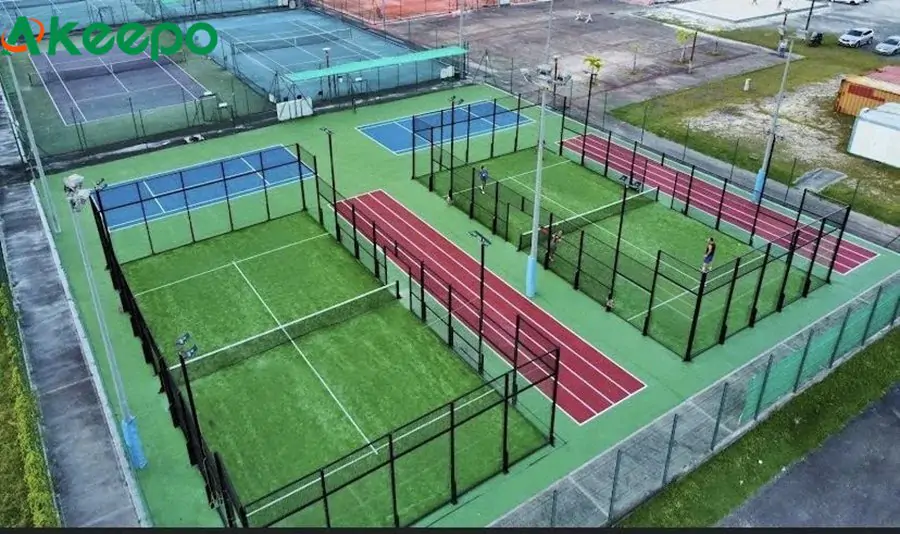
A successful padel facility should do more than provide a place to play. It should become a destination where players can train, socialize, compete, and enjoy the wider padel life.
Padel is increasingly recognized as a social sport. Players come to a court not only to play padel, but also to meet new partners, join tournaments, take coaching lessons, watch matches, and relax with friends after a session.
When planning a padel facility, project owners may consider:
Adequate spacing between courts and safe circulation routes for players
Seating, rest areas, drinking-water points, and spectator spaces
LED lighting designed for reliable evening operation
Canopies, roofing, sun protection, or drainage solutions based on the local climate
Custom colors, logo turf, and branded fencing to strengthen visual identity
Flexible areas for coaching, memberships, amateur competitions, corporate events, and community activities
When a venue combines sport, social connection, and comfort, padel life becomes more than a marketing phrase—it becomes an experience that keeps players coming back.
Choosing the Right Padel Court Builder
A capable padel court builder should provide more than equipment. The right partner can support the project from early planning and product selection through foundation guidance, packaging, shipping, installation, and after-sales service.
This is particularly important for international padel construction projects, where manufacturing quality, export packaging, technical documentation, logistics planning, and installation support all affect the final result.
Before selecting a supplier or padel court builder, consider whether they can provide:
Standard, panoramic, and customized padel court solutions
Recommendations for indoor, outdoor, coastal, hot, humid, or high-wind environments
Foundation drawings, installation drawings, structural specifications, and assembly guidance
Professional export packaging, container-loading plans, and overseas project experience
Integrated supply of steel structure, glass, turf, lighting, mesh, and accessories
Custom branding options, including court colors, logos, and commercial add-ons
Spare-parts lists, maintenance guidance, and responsive technical support
A reliable padel court builder is not only a product supplier. They are a long-term project partner who can help protect quality, control risk, and support the commercial success of a padel facility.
Start Your Padel Project With Clear Costs
The continued growth of padel is creating new opportunities for sports investors, venue operators, hospitality businesses, and developers. However, long-term success begins with a clear understanding of the total cost behind padel construction.
With a Padel Court Cost Calculator, project owners can compare different padel court configurations, estimate freight and installation requirements, plan civil works, and allocate budgets more effectively before construction begins.
Whether you are building one premium padel court, launching a commercial club, or upgrading an existing sports center, a professionally planned padel facility can help more people play padel, connect with others, and enjoy the energy of padel life.
Proposed Publication Date: September 14, 2026
Author: Rita
Back to News Start Your Project
Recommended Products